

Making the Case for High-Performance Facades
Vision
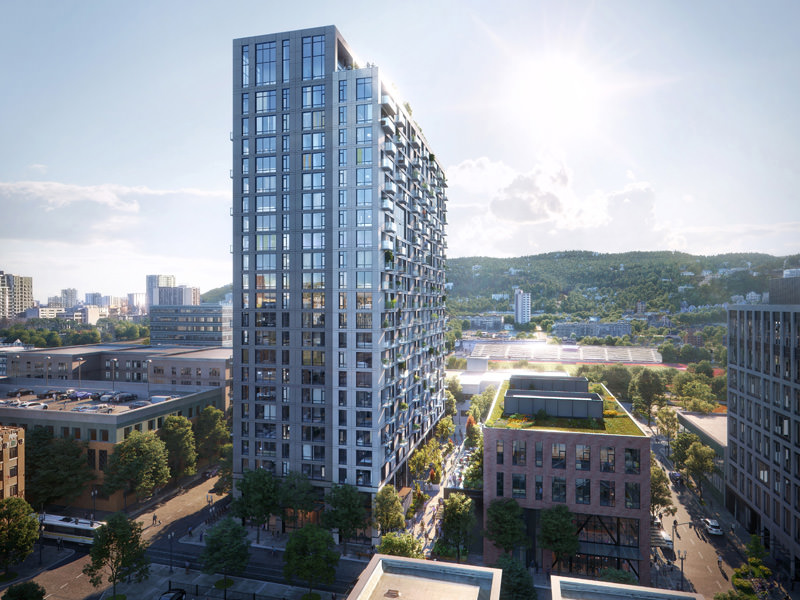
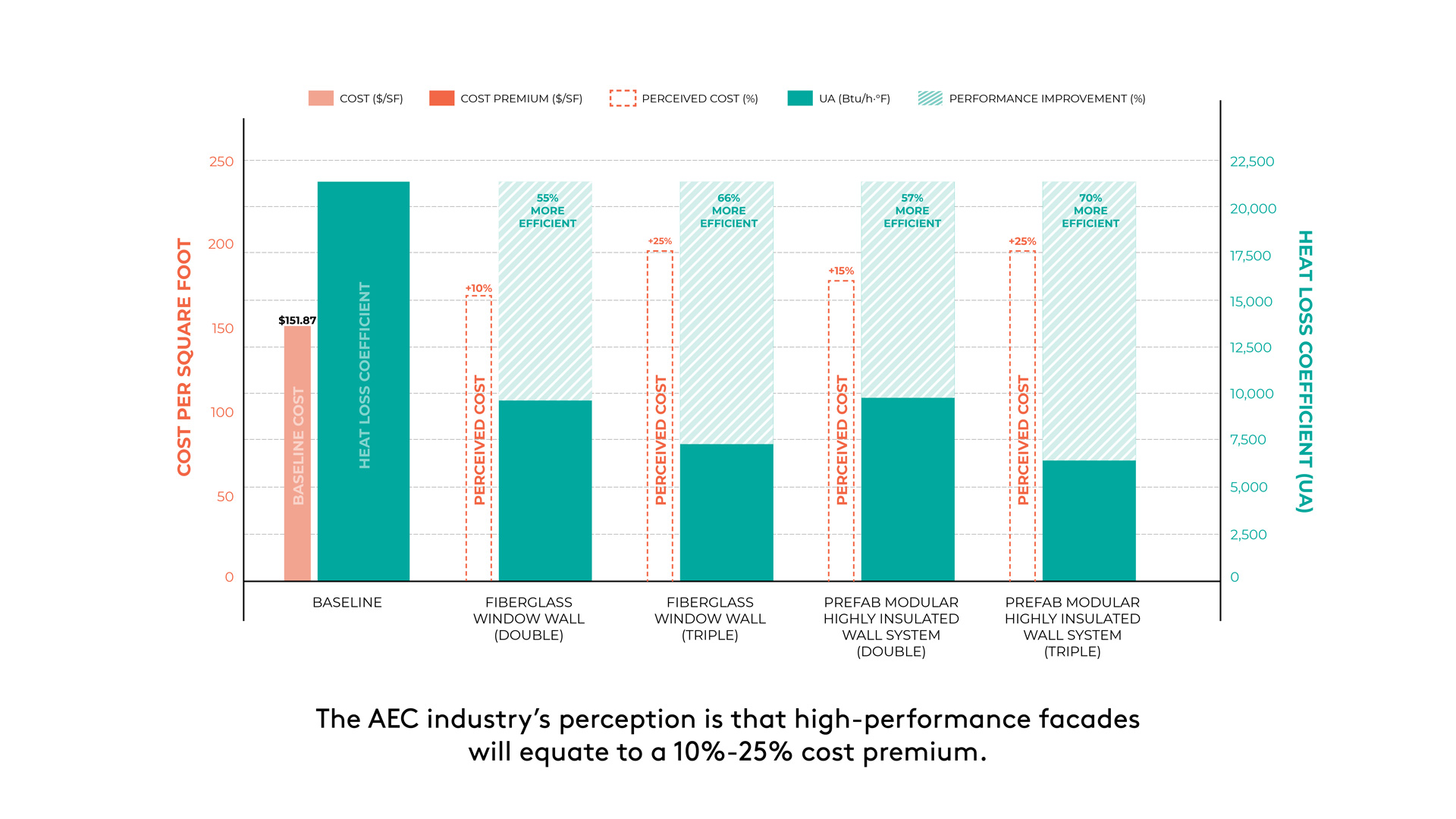
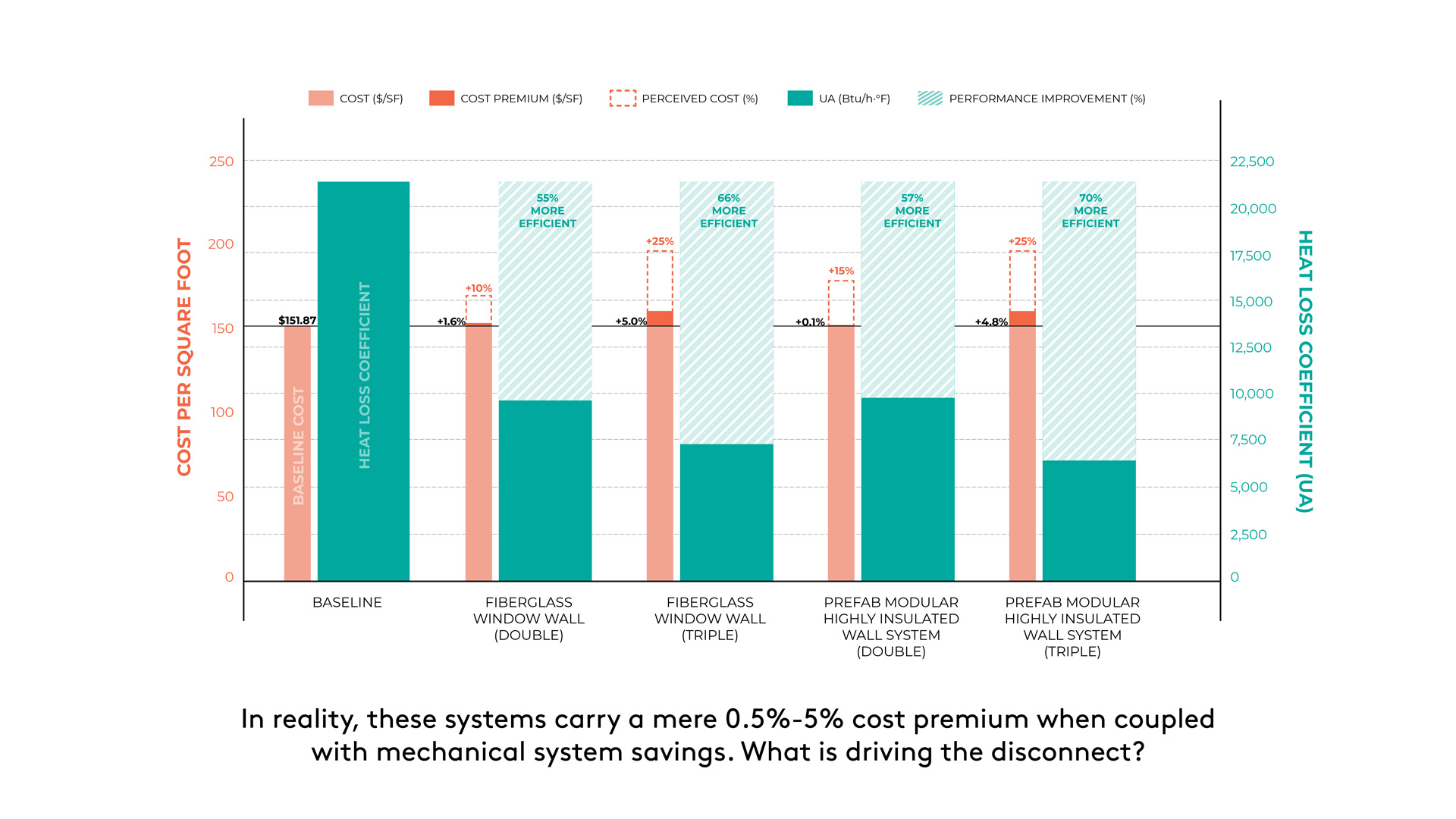
How do projects balance demands to meet increasing performance targets while aligning with owner and development metrics to deliver multifamily products into the market? Despite advancements in sustainability aspirations, external code requirements and industry goals, business-as-usual façade systems and their performance have only experienced incremental change. Through a qualitative and quantitative analysis focused on two specific barriers of adoption, this research explores how conventional envelopes can adapt to continue improving performance in high-rise construction.
Research
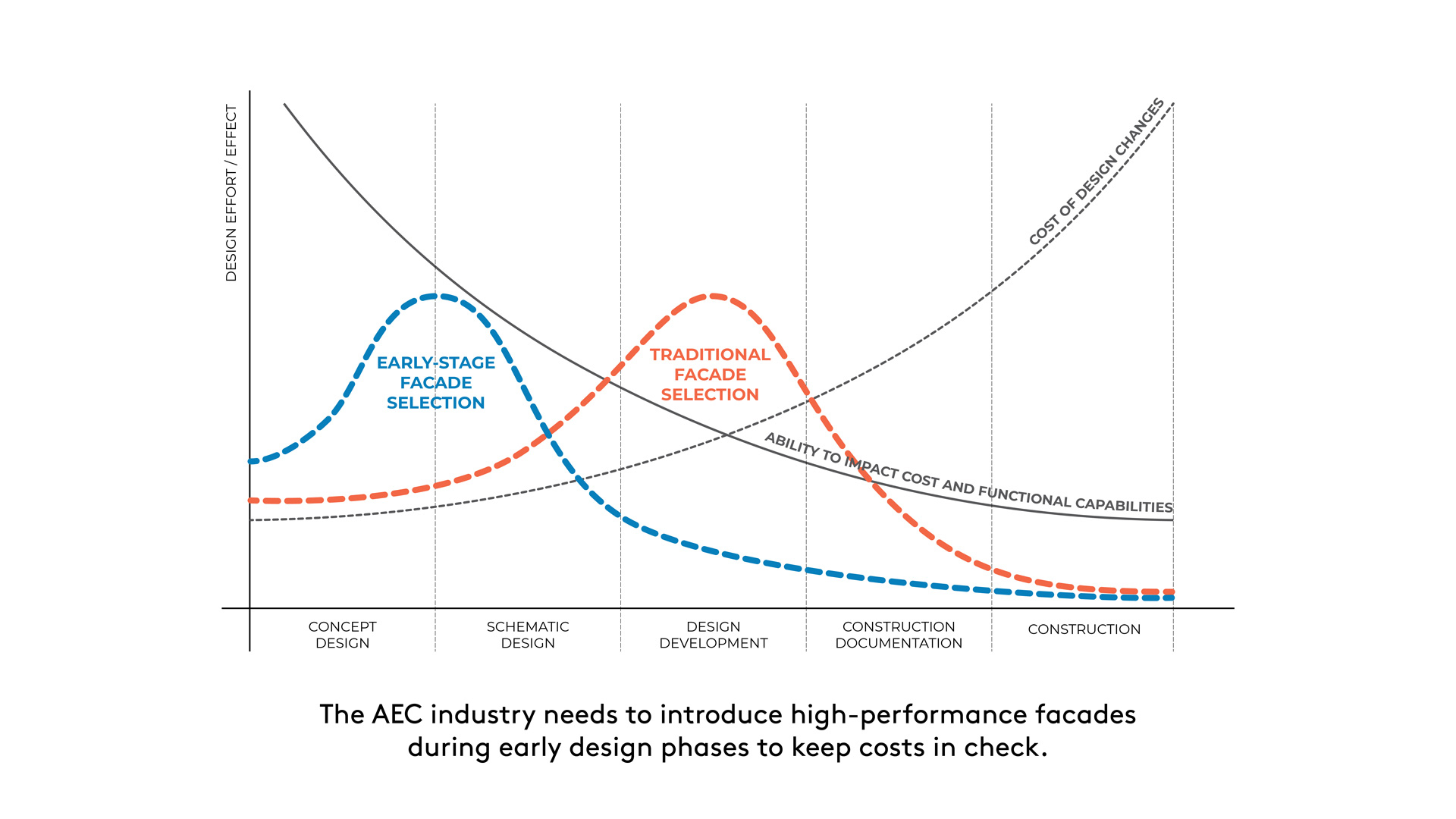
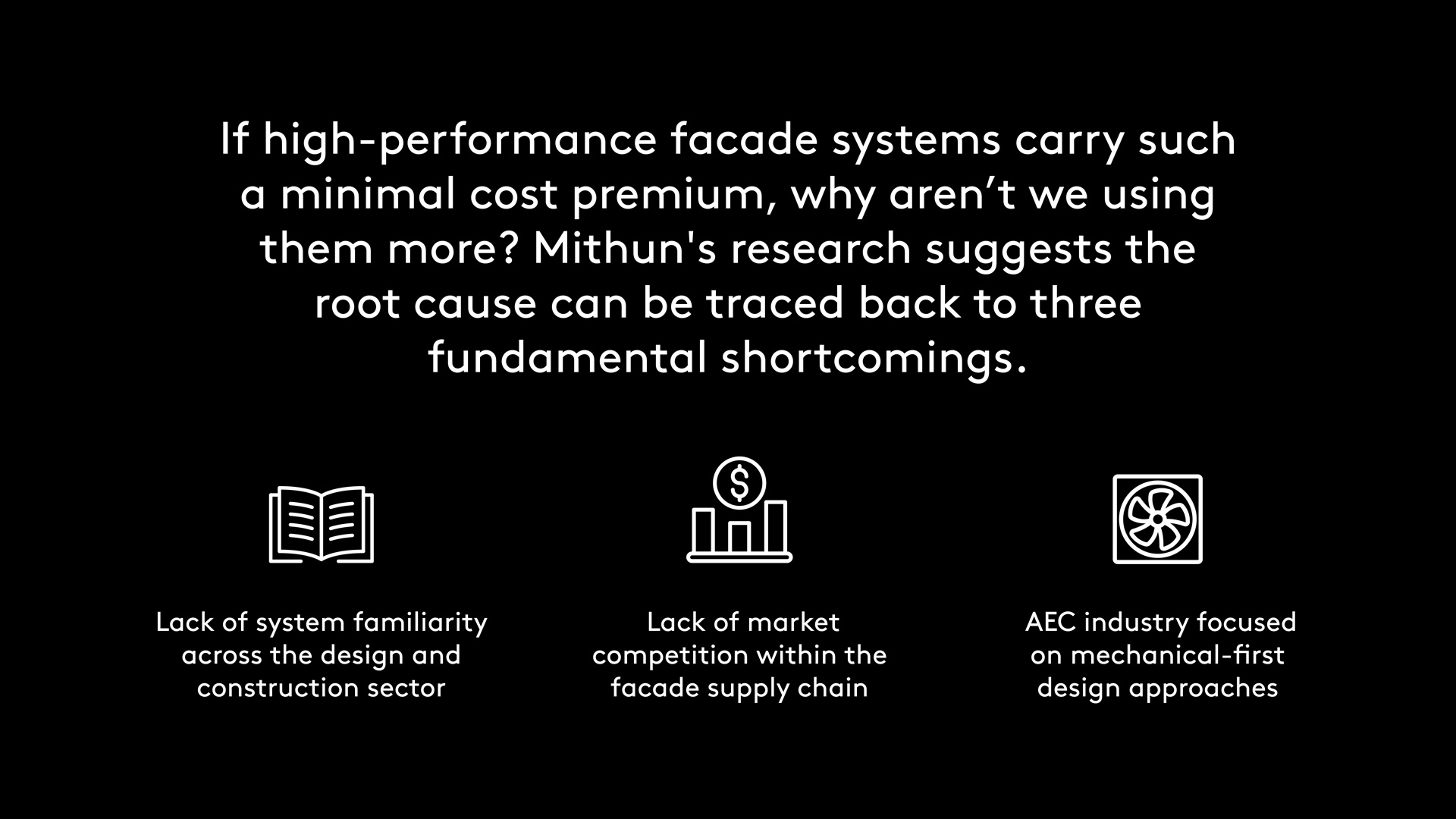
The Facade Tectonics Institute summarized seven barriers to adoption of high-performance fenestration and facades for the U.S. Department of Energy in August 2024. With focus specifically on building design, two of these barriers commonly arise in early project phases when design teams have influence: Insufficient Return on Investment and Insufficient Industry Knowledge. The aim of the research is to determine which levers the AEC industry could push and pull on to affect overall project performance and cost.
The research methodology established a set of 11 case studies to form a basis of understanding for how project teams currently overcome the stated barriers. These built projects are recognized, typically through third-party certification, as energy efficient and/or using high-performing systems to lower their operational Energy Use Index (EUI). Through interviews and published information, the R+D team sought to understand commonalities in how designers balance goals with budgets, overcome challenges and cater their respective design processes to high-performance objectives.
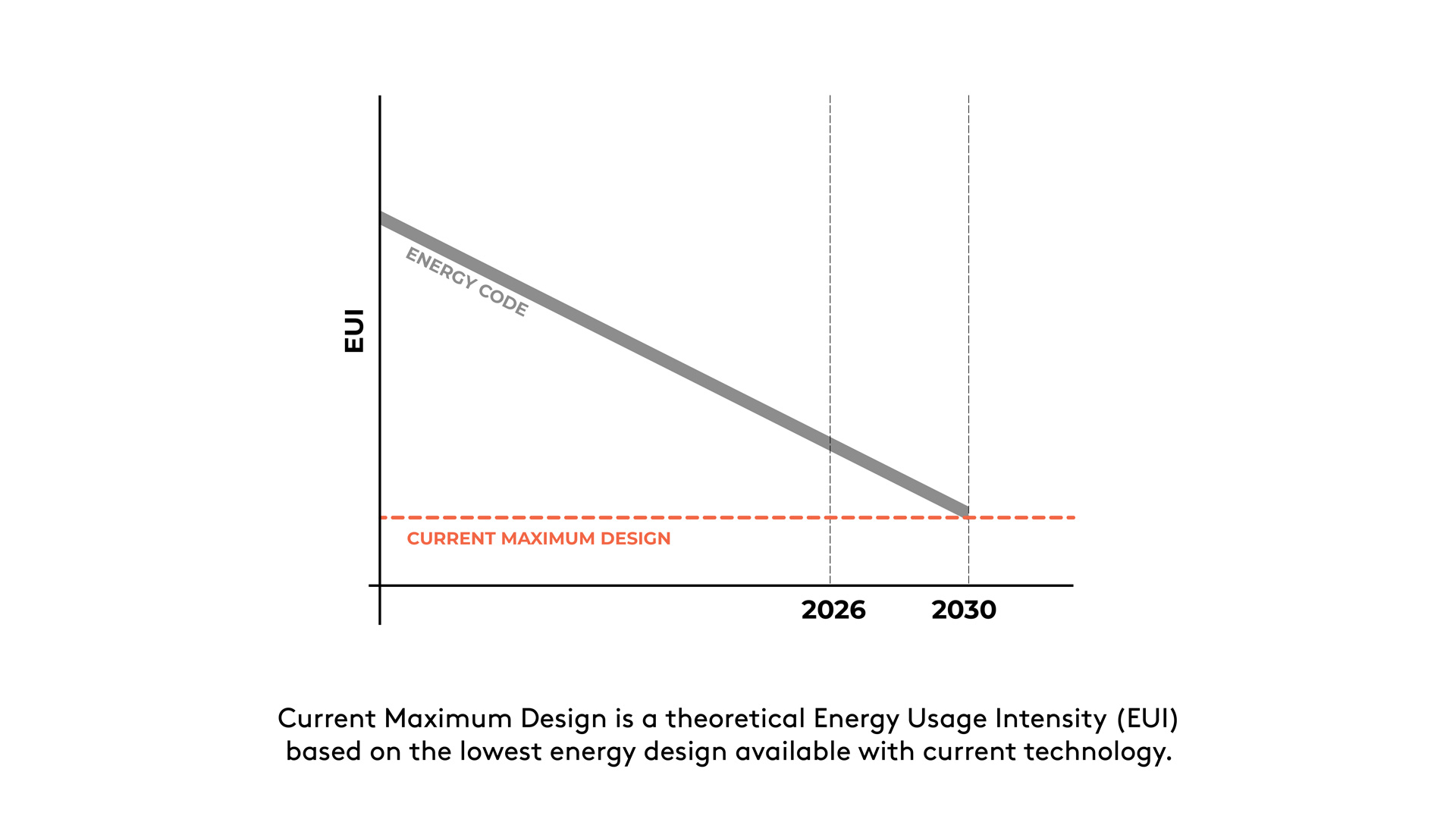
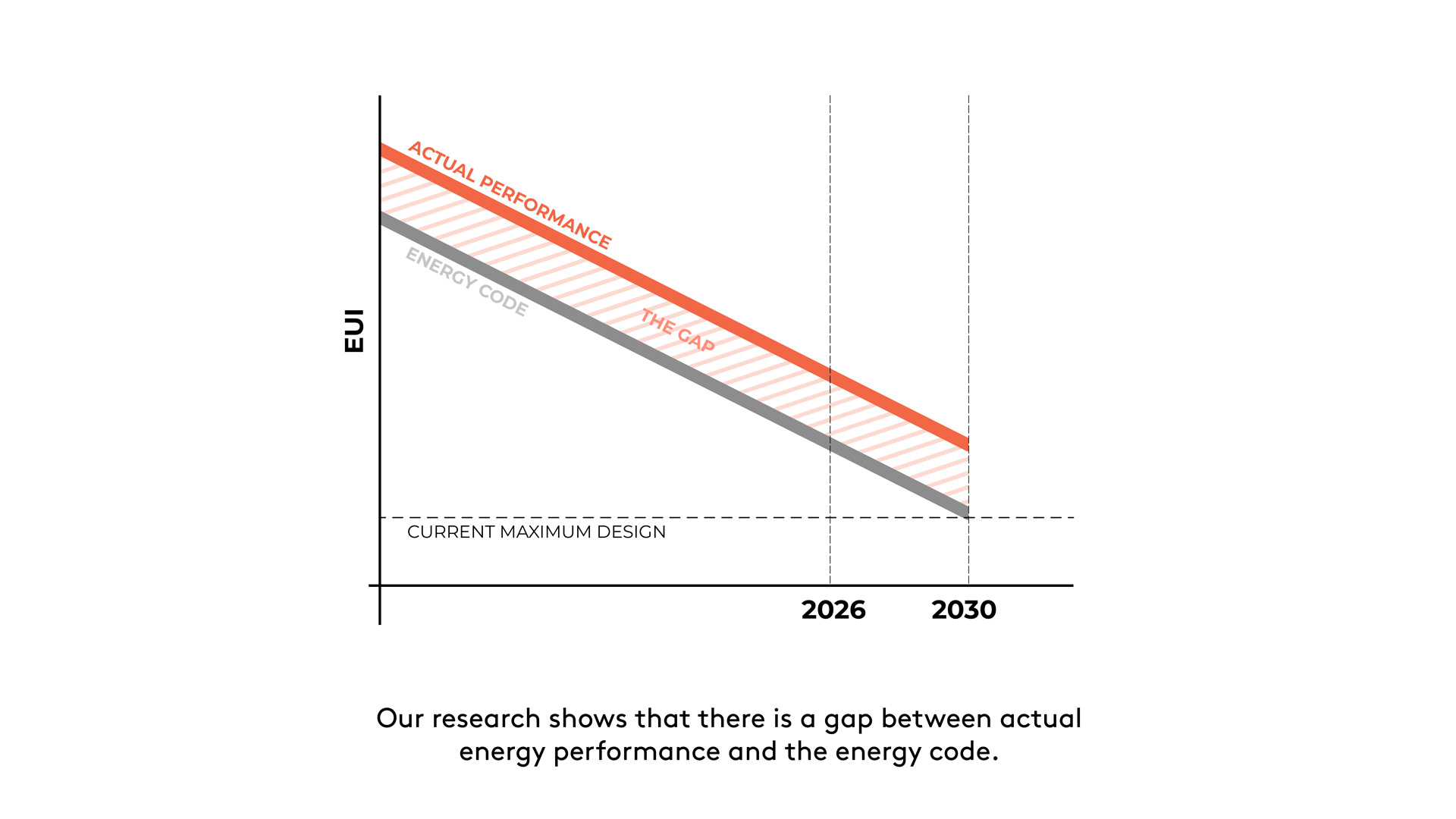
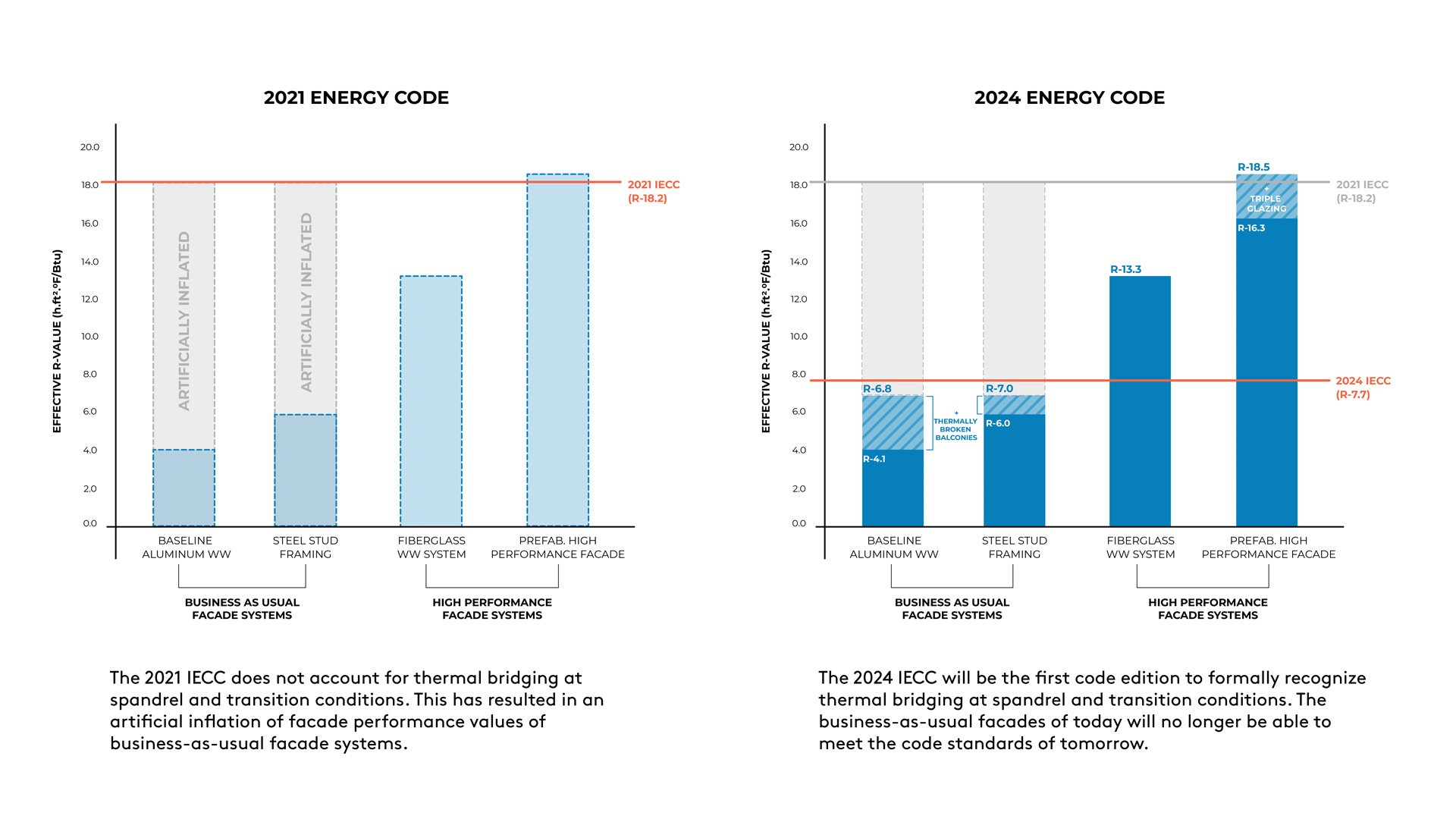
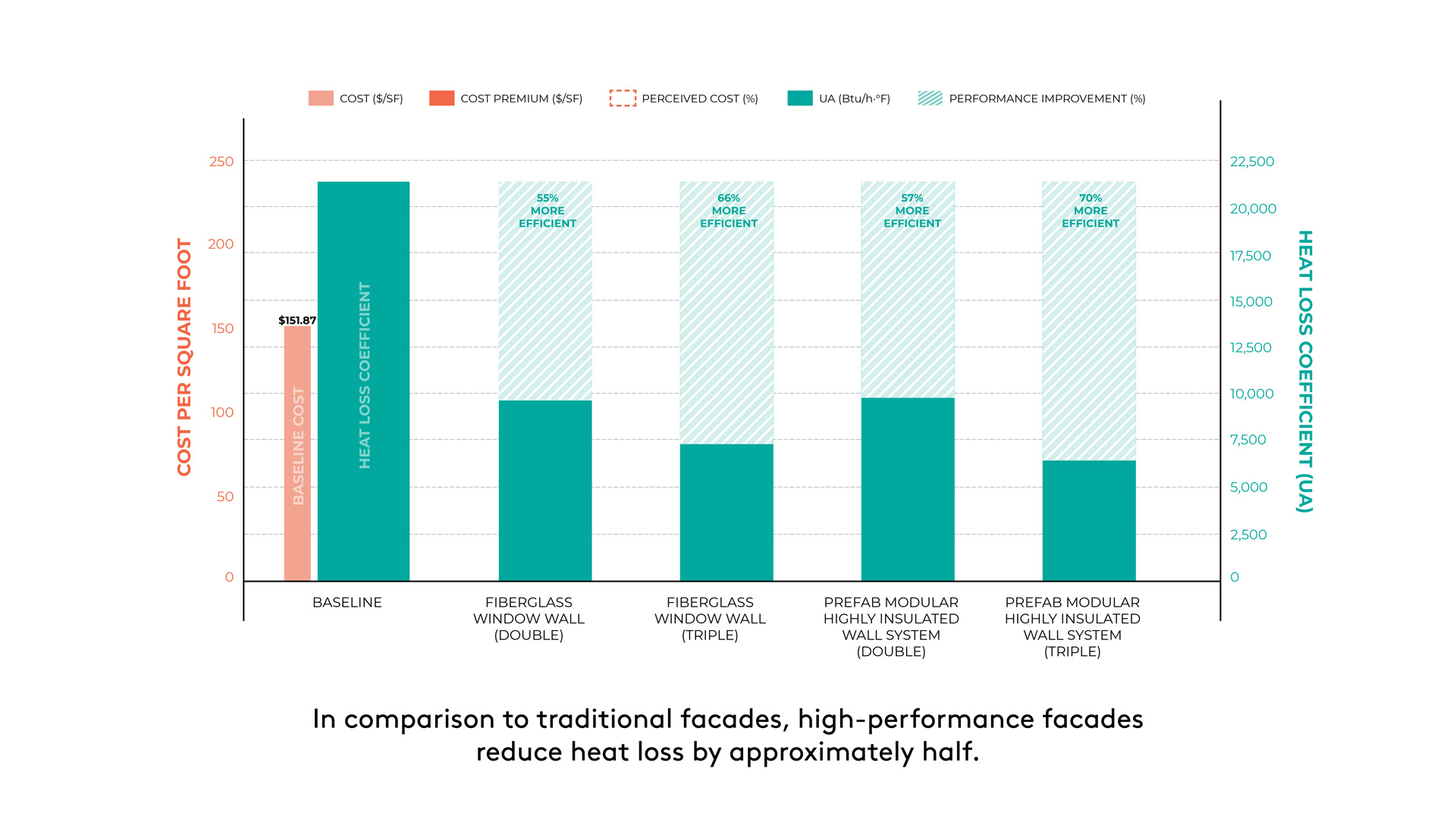
The research also established an analytical process to determine comparative façade system performance and initial correlations to LCCA and proforma metrics, both of which are critical to removing barriers to adoption of high-performance facades. Important components of this effort include uncovering discrepancies between code-compliance and actual façade performance to determine accurate modeling methodologies that can optimize system selections and overall project cost.
Looking Forward
Preliminary research outcomes point to several key considerations regarding project financing, industry practices, and fundamental design assumptions for improved adoption of high-performance facades. The R+D team asserts the following major takeaways:
- Further optimization in façade construction and targeted enhanced detailing techniques is necessary for continued improvement.
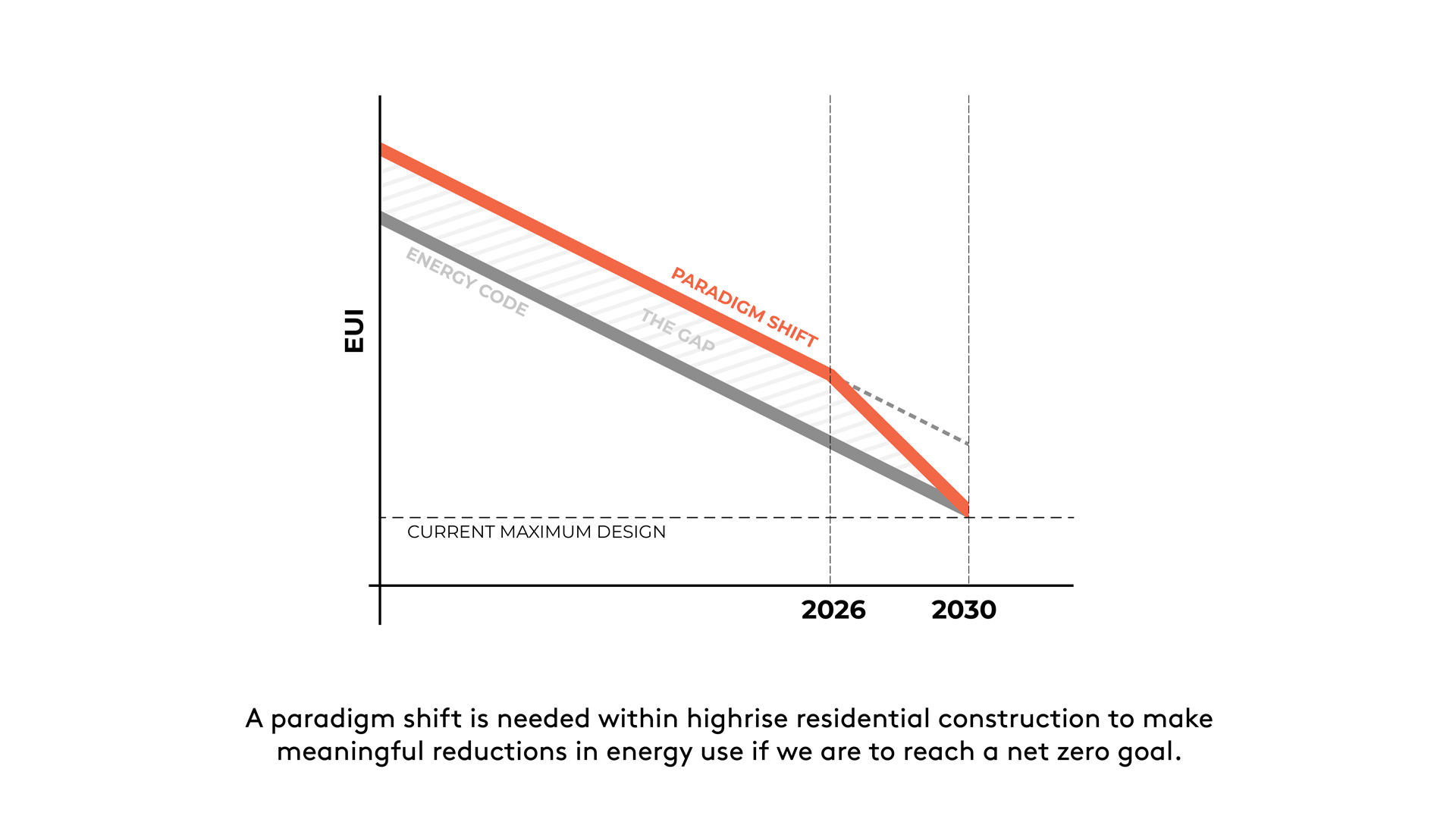
- Energy modeling methodologies should evolve to accurately reflect real-world performance of building envelopes, align with proforma considerations and better inform design decisions.
- More robust finance incentives for high-performance facade systems will be critical for the United States to catch up with European and Canadian delivery rates.
- Conventional design approaches can adapt default modernist “glass box” ideals to shift to more holistic aesthetic goals that better balance thermal performance, access to daylight and market standards.
Learn more about our study findings and financial initiatives to advance facade performance via the Pushing the Envelope article, originally published in the Seattle Daily Journal of Commerce, and two-part LinkedIn series (Article 1, Article 2). This research initiative will continue through on-going knowledge exchange and a forthcoming report with additional details and findings.